When crises affect communities, children are often among those most vulnerable to abuse, neglect, exploitation, violence, displacement, and other protection risks.
Responding effectively requires more than good intentions. It requires strong systems, technical knowledge, experienced practitioners, and organizations that understand the realities of the communities they serve.
For Rise to Inspire Africa Initiative (RIA), strengthening these foundations has become an important part of our work.
We are proud to have been selected as a Technical Focal Point and Technical Hub under a new pilot initiative of the Alliance for Child Protection in Humanitarian Action (the Alliance).
For RIA Initiative, this is more than a new designation.
It represents an opportunity to strengthen our own child protection programming, support other local and national actors, and contribute to a more localized approach to technical support in humanitarian action.
What Does Being a Technical Hub Mean?
At its core, a technical hub helps bring specialized knowledge, guidance, and support closer to organizations working directly with affected communities.
This is particularly important in humanitarian settings, where local organizations are often among the first and most consistent actors responding to the needs of communities affected by conflict and displacement.
For RIA Initiative, the pilot creates an opportunity to play two complementary roles:
Strengthen our own capacity
We can deepen the technical quality of our child protection programming and strengthen the systems behind our interventions.
Support other organizations
We can share knowledge, tools, and technical support with other local and national actors working to protect children across the region.
This approach reflects an important principle of localization in humanitarian action: technical capacity and decision-making should not remain concentrated far from the communities where humanitarian work takes place.
Instead, local organizations should have the knowledge, resources, systems, and influence required to lead meaningful solutions.
Building the Foundation: Our CPMS Training
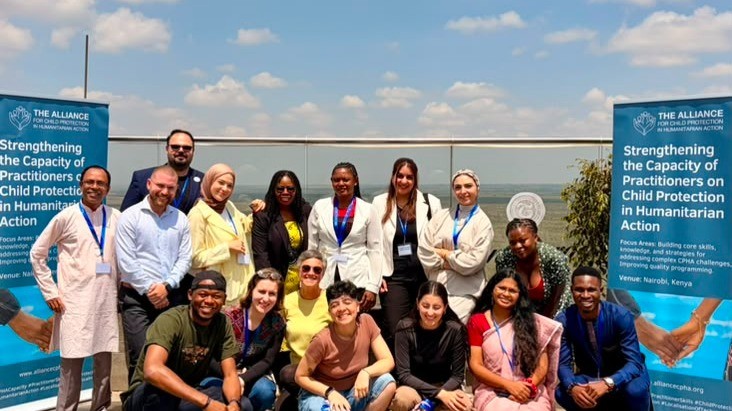
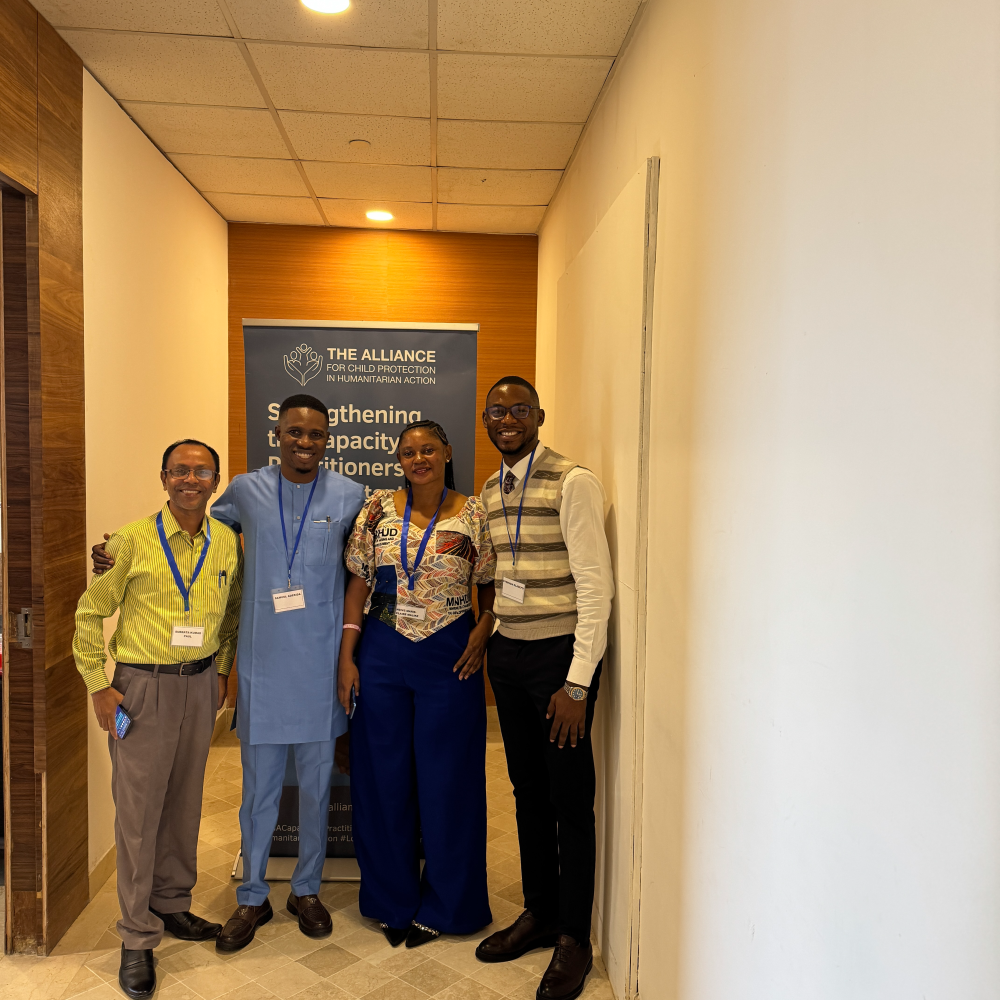
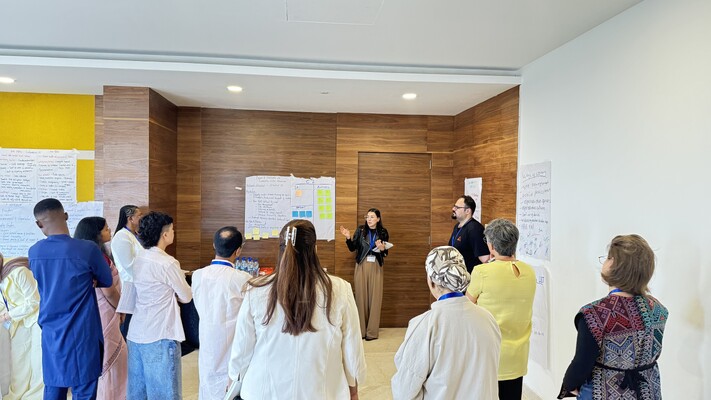
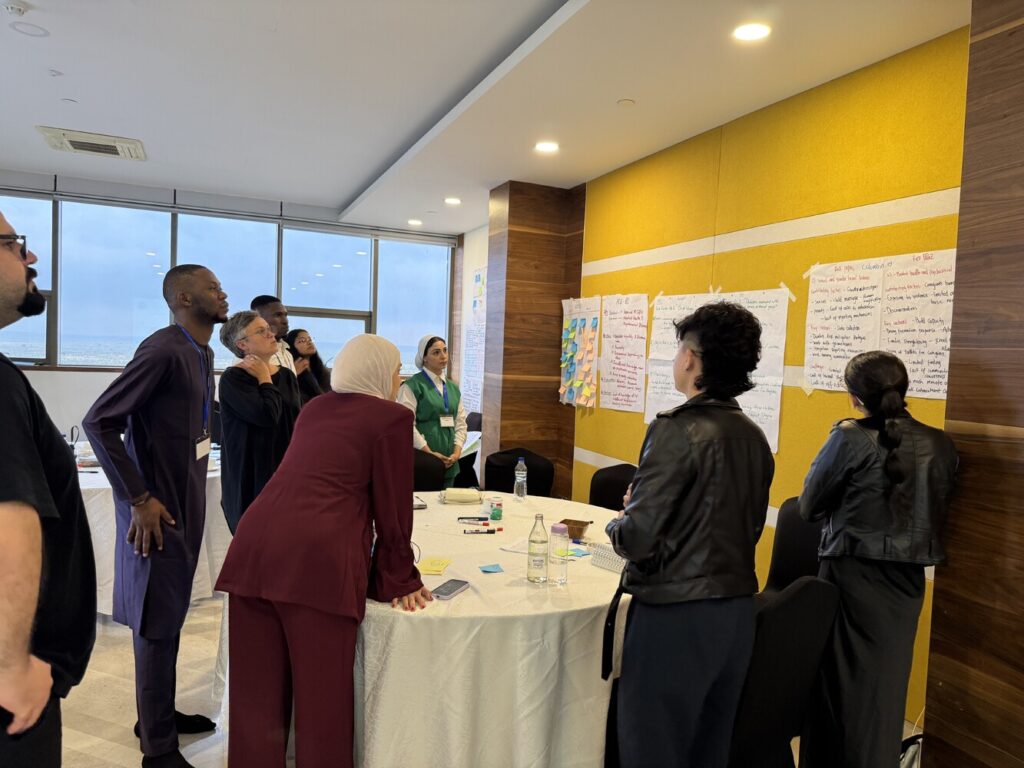
As part of the onboarding process for this role, RIA recently completed an intensive three-day training on the Child Protection Minimum Standards (CPMS).
The CPMS are an important framework for child protection practitioners working in humanitarian settings. The Alliance describes them as a resource that helps humanitarian actors improve the quality, accountability, and effectiveness of child protection programming.
The training focused on three major areas.
1. Understanding the Child Protection Minimum Standards
We explored how the CPMS can translate into practical action across the child protection programme cycle.
This included looking at how standards can inform:
- Prevention and response
- Programme design
- Implementation
- Monitoring
- Quality assurance
- Accountability
- Coordination
An important part of the learning was understanding how these standards can be applied to the realities of Borno, Adamawa, and the wider Northeast Nigeria context.
The goal is not simply to understand standards theoretically.
The real value comes from being able to apply them appropriately within the communities and humanitarian environments where we work.
2. Understanding the Alliance and Its Structures
The training also introduced us to the structures of the Alliance for Child Protection in Humanitarian Action and the coordinating role of its secretariat.
This matters because becoming part of a broader child protection architecture requires more than understanding our own organizational responsibilities.
It means understanding how local organizations contribute to a wider system of coordination, learning, technical support, and collective action.
For RIA, this provides an opportunity to connect local experience with global knowledge while ensuring that local realities remain part of the conversation.
3. Strengthening Our Understanding of Children’s Rights
We also revisited the legal and policy frameworks that underpin child protection work.
This reinforces an important principle:
Protecting children in humanitarian settings is not simply about implementing good projects. It is about upholding children’s rights and ensuring that humanitarian action contributes to their safety, dignity, and well-being.
Understanding these foundations helps organizations make better decisions when designing and implementing interventions that affect children.
Why This Pilot Matters
The significance of RIA Initiative’s selection goes beyond the organization itself.
It represents an opportunity to explore what localized technical support for child protection can look like in practice.
Bringing Technical Capacity Closer to Communities
Local organizations are deeply connected to the communities they serve.
They understand the context, relationships, cultural dynamics, barriers, and realities that can influence whether an intervention succeeds.
Strengthening their technical capacity therefore has the potential to improve the quality and relevance of humanitarian programming.
Creating a Two-Way Learning Process
The pilot is not simply about RIA receiving guidance from global actors.
It is also about contributing knowledge from our own context.
Our experience working with communities in Northeast Nigeria can help inform how technical guidance is adapted, contextualized, and delivered.
This creates a two-way learning process:
Global standards → Local application → Local learning → Improved technical support
That feedback loop is central to meaningful localization.
Multiplying the Impact
Perhaps one of the most important opportunities is the ability to support other organizations.
When technical knowledge remains within a single organization, its impact can be limited.
But when knowledge is shared with peer organizations, it can contribute to stronger programming across a wider humanitarian response.
As a pilot technical hub, RIA has the opportunity to help create that multiplier effect.
From Training to Practice
Training is only the beginning.
The real test will be what happens after the training room.
For RIA, the next phase is about application.
This means working to embed the CPMS into how we:
- Design child protection interventions
- Plan programmes
- Implement activities
- Monitor results
- Assess quality
- Strengthen internal systems
- Support accountability
- Learn from implementation
- Provide technical support to other actors
The Alliance itself emphasizes that the CPMS are intended not only as a source of knowledge, but as practical tools that organizations can implement, contextualize, and measure within their programmes.
That distinction matters.
Knowing the standards is one thing.
Building them into everyday practice is another.
What Localization Should Look Like in Practice
Localization is often discussed as a principle within the humanitarian sector.
But meaningful localization requires more than involving local organizations in implementation.
It also means creating opportunities for local and national actors to:
Lead.
Participate meaningfully in decisions affecting humanitarian programming.
Build capacity.
Develop the technical and institutional systems required to deliver quality programmes.
Share knowledge.
Contribute evidence and lessons from local contexts.
Shape standards and approaches.
Help ensure that global guidance can be adapted to different realities.
Support one another.
Strengthen peer organizations through knowledge exchange and technical collaboration.
RIA’s participation in this pilot provides an opportunity to explore these principles in a practical way.
A New Chapter for RIA
Being selected as a pilot technical hub is both a recognition and a responsibility.
It recognizes the work that local organizations are already doing to protect children and support communities affected by crisis.
But it also places a responsibility on RIA to approach the opportunity with humility, discipline, and a commitment to continuous learning.
Our ambition is not simply to become stronger as an organization.
It is to contribute to a stronger ecosystem of child protection actors across Northeast Nigeria.
That means learning from the process, documenting what works, acknowledging the challenges, and sharing lessons that can help strengthen localization beyond this pilot.
What Comes Next?
The journey ahead will focus on three priorities:
Strengthening RIA’s internal systems
We will continue building the technical and organizational capacity required to integrate child protection standards into our programmes and operations.
Supporting peer organizations
As the technical hub develops, we will explore opportunities to share relevant knowledge, tools, and technical support with other local and national actors.
Learning and sharing
We will document our experiences throughout the pilot, including both successes and challenges, so that lessons from Northeast Nigeria can contribute to broader conversations around localization and child protection.
The CPMS training has given RIA an important foundation.
But the work ahead is where the real opportunity lies.
As we begin this new chapter as a pilot Technical Hub for the Alliance for Child Protection in Humanitarian Action, we remain committed to strengthening our own practice, supporting fellow local actors, and contributing to a humanitarian system where local organizations have the technical capacity and influence to lead.
We believe strong child protection systems should be built as close as possible to the children and communities they are intended to serve.
And we are excited to play our part.
This is not the end of the journey. It is the strengthening of the foundation for what comes next.
