RIA calls for stronger child-sensitive WASH systems, menstrual dignity, and accountability to ensure that no girl is left behind.
Maseru, Kingdom of Lesotho | 8–12 October 2026
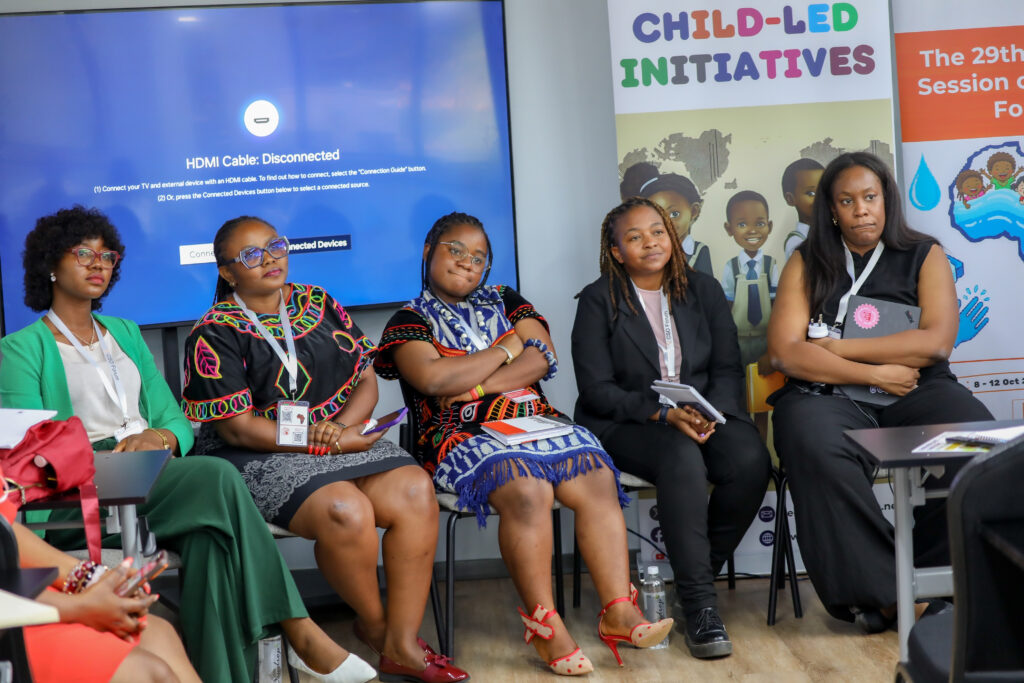
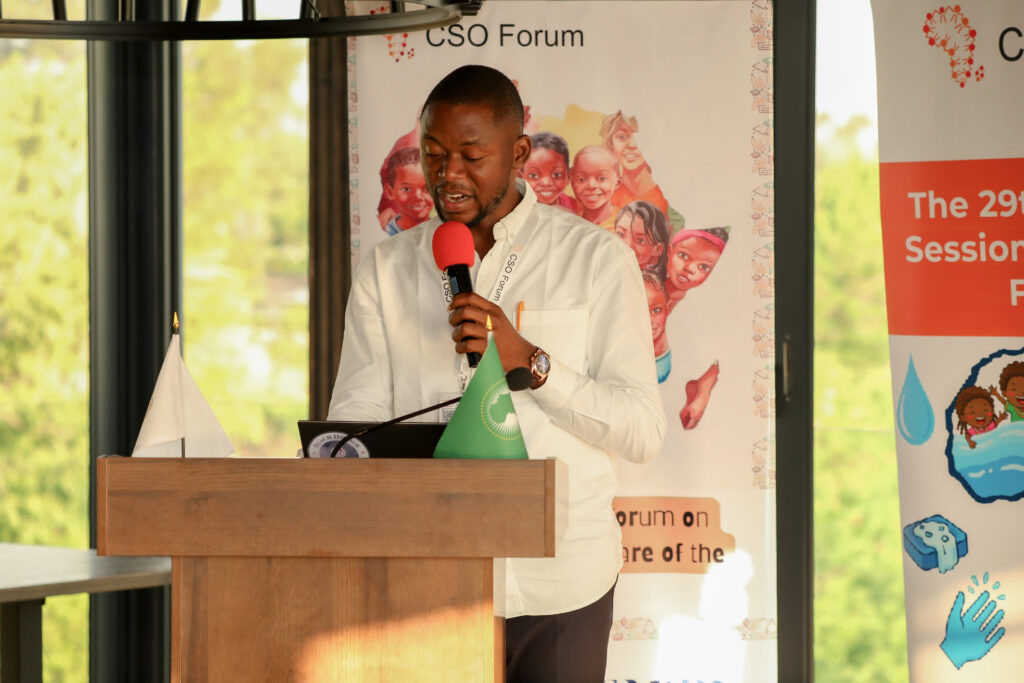
Rise to Inspire Africa Initiative (RIA) participated in the 29th Civil Society Organisations Forum on the African Charter on the Rights and Welfare of the Child (ACRWC CSO Forum), held in Maseru, Kingdom of Lesotho, from 8 to 12 October 2026. The Forum took place ahead of the 48th Ordinary Session of the African Committee of Experts on the Rights and Welfare of the Child (ACERWC), bringing civil society perspectives into continental discussions on children’s rights, protection, and well-being.
Convened under the theme “From Rights to Reality: Advancing Child-Sensitive, Climate-Resilient Water and Sanitation Systems to Achieve Agenda 2063,” the Forum provided an important platform for civil society organisations to examine persistent barriers to children’s rights and advocate for practical, accountable responses.
For RIA, participation was an opportunity to reinforce a fundamental principle: commitments to children’s rights must translate into tangible improvements in their everyday lives. This includes ensuring that girls can manage menstruation safely and with dignity, access appropriate water, sanitation and hygiene (WASH) facilities, remain in school, and participate fully in their communities without stigma or discrimination.
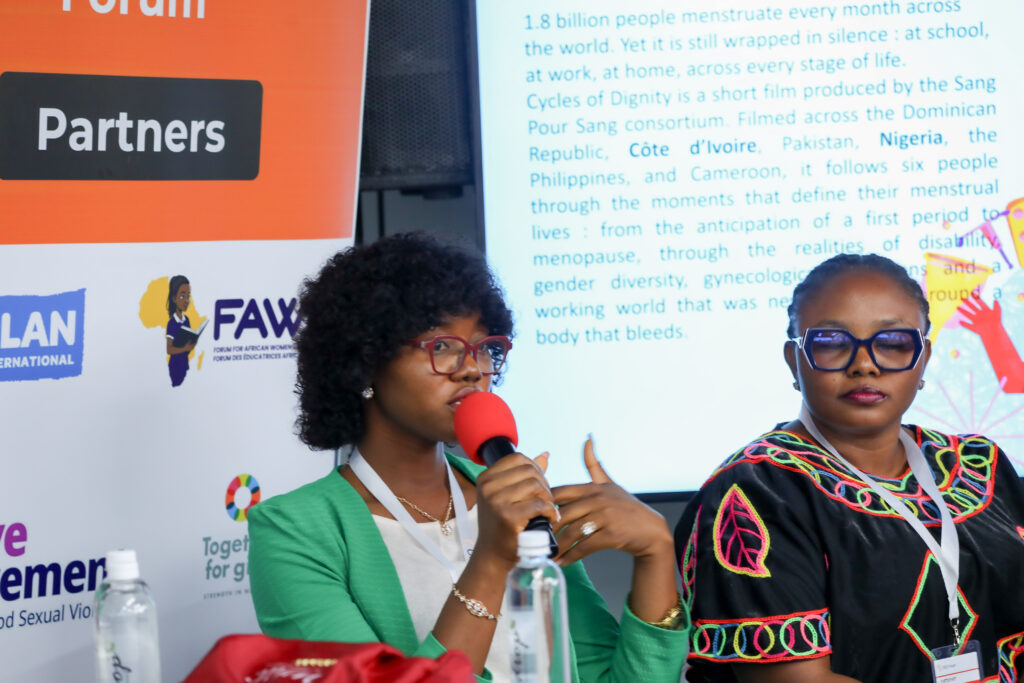
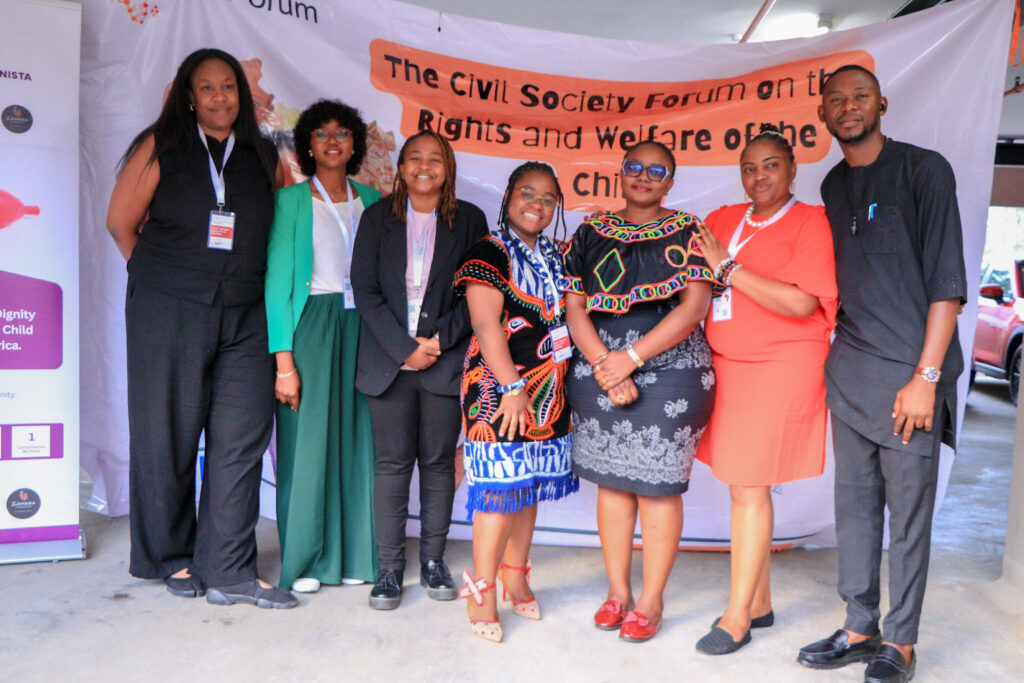
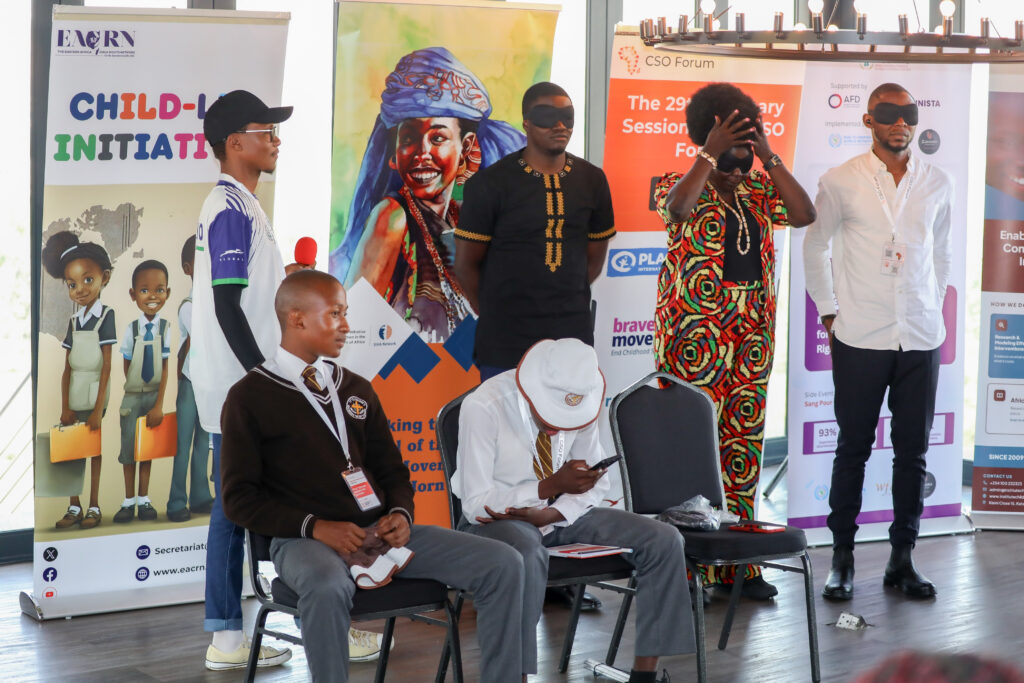
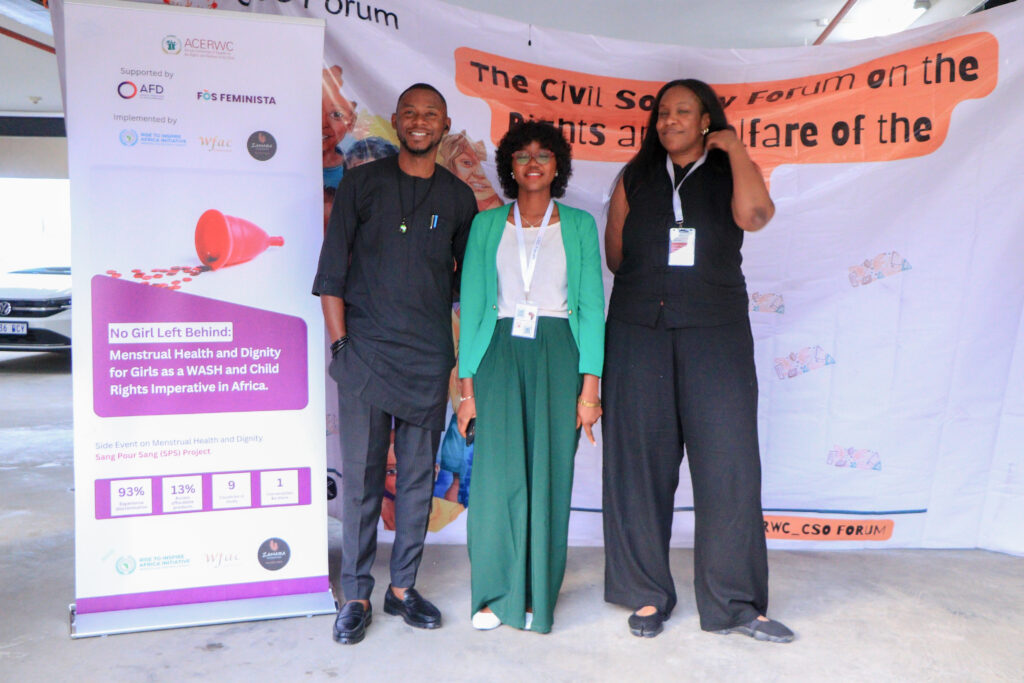
A key highlight of RIA’s participation was hosting a side event titled “Menstrual Health and Dignity for Girls as a WASH and Child Rights Imperative in Africa.”
The session was organised in collaboration with Zamara Foundation and Women for a Change, Cameroon, bringing together perspectives on menstrual health, gender equality, education, WASH, and children’s rights.
The discussion emphasised the need to move menstrual health beyond the narrow framing of personal hygiene and recognise it as an issue connected to dignity, bodily autonomy, health, education, equality, and human rights.
For millions of girls, menstruation intersects with structural challenges that extend far beyond the availability of sanitary products. Inadequate sanitation facilities, limited access to clean water, insufficient menstrual health education, unaffordable menstrual products, and deeply rooted social stigma can undermine girls’ confidence, participation, and opportunities.
Where schools and communities lack safe, private, and accessible sanitation facilities, girls may struggle to manage their periods comfortably. Where menstrual health education is inadequate, misinformation and shame can persist. Where families cannot afford menstrual products, girls may be forced to rely on unsafe or unsuitable alternatives.
These challenges are not isolated inconveniences. They reflect broader inequalities that require coordinated action from governments, schools, communities, civil society organisations, development partners, and the private sector.
RIA’s message at the Forum was clear: menstrual health and dignity must be integrated into child protection, education, gender equality, public health, and WASH policies and programmes.
No girl should miss school, experience humiliation, or be excluded from social and public life because she menstruates.
Learning Across Five African Countries
The RIA-hosted side event presented key findings from five African countries: Benin, Cameroon, Côte d’Ivoire, Guinea, and Nigeria.
Bringing evidence and perspectives from different national contexts into the discussion helped foreground the importance of understanding menstrual health within the social, cultural, educational, and infrastructural realities in which girls live.
Although the challenges and responses may differ across countries, menstrual dignity requires attention to several interconnected priorities.
1. Safe and accessible water, sanitation and hygiene facilities
Girls need access to clean water, private and functional toilets, appropriate menstrual waste-disposal facilities, and safe spaces to manage menstruation in schools and communities.
These facilities must also account for the needs of children with disabilities and other groups who may face additional barriers to access.
Climate-resilient WASH systems are particularly important as climate-related pressures can disrupt water availability, damage sanitation infrastructure, and increase the vulnerability of communities already experiencing inadequate services.
2. Affordable and appropriate menstrual products
Access to suitable menstrual products is essential to managing menstruation safely and comfortably. However, affordability remains a barrier for girls and families facing economic hardship.
Responses should consider the availability, accessibility, suitability, and sustainability of menstrual products, alongside reliable information about their safe use.
Governments, development partners, civil society, and responsible private-sector actors all have a role to play in improving access and reducing the financial barriers that undermine menstrual dignity.
3. Comprehensive menstrual health education
Girls need accurate, age-appropriate information about menstruation before and during puberty. Boys and men also need opportunities to understand menstruation, challenge misconceptions, and contribute to supportive environments.
Menstrual education should address the biological aspects of menstruation while also confronting stigma, discrimination, harmful stereotypes, and the social expectations that can restrict girls’ participation.
4. Gender-responsive education and community support
Schools, families, and communities must create environments where menstruation can be discussed without embarrassment or punishment.
Teachers, caregivers, community leaders, and service providers need the knowledge and resources to respond appropriately to girls’ needs.
Such support can help build confidence, reduce exclusion, and strengthen girls’ ability to participate in education and community life.
5. Accountability for children’s rights
Progress requires more than public commitments. It demands clear responsibilities, adequate resources, measurable indicators, and regular monitoring of implementation.
Governments must be able to demonstrate how their policies and investments are improving girls’ access to menstrual health information, products, safe sanitation, and appropriate support.
These priorities reinforce the need for menstrual dignity to be treated as a core component of child rights implementation across Africa.
Lessons from the Sang Pour Sang Project: Engaging Men and Boys in Menstrual Dignity
RIA also shared lessons from the Sang Pour Sang Project, highlighting the importance of engaging men and boys alongside private-sector actors in addressing menstrual stigma and transforming harmful social norms.
Menstrual health is frequently treated as an issue that girls and women must manage privately. This approach overlooks the influence of families, peers, community leaders, institutions, and wider social attitudes on girls’ experiences of menstruation.
Engaging men and boys can help challenge the idea that menstruation is shameful or something that should not be discussed openly. It can also encourage fathers, brothers, teachers, partners, and community leaders to become active supporters of menstrual health education and access to appropriate resources.
The involvement of private-sector actors is equally important. Businesses can contribute through responsible partnerships, improved access to menstrual products, awareness initiatives, and other approaches that respond to the needs of girls and communities.
The lessons shared through the Sang Pour Sang Project reinforce the importance of moving beyond awareness-raising alone.
Lasting change requires sustained engagement, collective responsibility, and practical action that addresses the social norms and structural barriers affecting girls.
For RIA, menstrual dignity is not a responsibility that girls should have to carry alone. It is a shared social and institutional responsibility that requires participation from all sectors of society.
Connecting Menstrual Dignity to Agenda 2063
The Forum’s focus on child-sensitive, climate-resilient WASH systems and Agenda 2063 placed menstrual health within a broader continental vision of inclusive development and improved well-being.
Access to water and sanitation is fundamental to health, education, equality, and human dignity. However, infrastructure alone is not enough. WASH systems must be designed, financed, maintained, and monitored in ways that respond to the different needs and experiences of children.
For girls, this means recognising that the availability of a toilet does not necessarily guarantee a safe or dignified environment for managing menstruation. Privacy, water access, hygiene supplies, accessibility, safety, and appropriate waste disposal are also essential.
Climate resilience adds another dimension. Water scarcity, flooding, extreme weather, and other climate-related pressures can disrupt essential services and disproportionately affect communities with limited infrastructure and resources.
A child-sensitive and climate-resilient approach must therefore consider the specific ways these challenges affect girls and other vulnerable children, ensuring that their needs are reflected in planning, resource allocation, implementation, and accountability.
RIA advocates for an integrated approach that connects menstrual health and dignity with resilient WASH infrastructure, inclusive education, gender-responsive services, and the fulfilment of children’s rights.
From Regional Commitments to Meaningful Action
As civil society organisations convened ahead of the 48th Ordinary Session of the ACERWC, the Forum provided an opportunity to strengthen advocacy and call for practical measures to translate regional commitments into meaningful change.
RIA calls for action in six key areas:
1. Stronger political commitment
Governments should recognise menstrual health and dignity as essential components of child rights, public health, education, gender equality, and WASH policies. Commitments must be reflected in implementation plans and institutional responsibilities.
2. Adequate and sustained financing
National budgets and development programmes should allocate sufficient resources to menstrual health education, accessible menstrual products, safe sanitation infrastructure, and community-based interventions.
3. Accessible and climate-resilient WASH facilities
Schools and communities need safe, private, functional, accessible, and well-maintained sanitation facilities, supported by reliable water supplies and appropriate menstrual waste management.
4. Affordable menstrual products
Policies and programmes should address financial barriers that prevent girls from accessing suitable menstrual products, particularly those living in vulnerable or underserved communities.
5. Comprehensive menstrual health education
Governments, schools, civil society organisations, and communities should support accurate, age-appropriate menstrual education that challenges stigma and engages girls, boys, parents, teachers, and community leaders.
6. Strong accountability and monitoring mechanisms
Regional commitments must be translated into measurable targets, clear reporting responsibilities, and mechanisms for tracking progress. Girls and affected communities should also have meaningful opportunities to contribute to programme design, monitoring, and evaluation.
These priorities reflect the wider need to bridge the gap between the rights recognised in regional and national frameworks and the conditions girls experience in their daily lives.
The ACRWC CSO Forum provides civil society organisations with an important space to bring community experiences, evidence, and recommendations into continental child rights processes.
The African Committee of Experts on the Rights and Welfare of the Child plays a key role in promoting and monitoring the implementation of the African Charter on the Rights and Welfare of the Child.
Civil society participation can help ensure that issues affecting children remain visible in regional deliberations and that recommendations reflect the realities of children and communities.
The recommendations submitted by the 29th CSO Forum to the 48th ACERWC Session include calls for States to promote menstrual dignity and for the Committee to develop a General Comment on menstrual health and dignity, supported by measurable reporting indicators.
A General Comment could help clarify how existing child rights obligations relate to menstrual health and dignity, providing guidance for States and strengthening the basis for monitoring implementation.
The inclusion of measurable indicators would also help move discussions beyond broad commitments towards more transparent assessments of progress, persistent gaps, and the actions required to address them.
Read the full recommendations of the 29th CSO Forum to the 48th ACERWC Session:
Access the Forum’s recommendations
RIA’s Continued Commitment to Girls’ Rights and Dignity
RIA’s participation in the 29th ACRWC CSO Forum reflects our commitment to advancing child rights, promoting menstrual health and dignity, and supporting locally informed approaches to sustainable development.
Our engagement with Zamara Foundation and Women for a Change, Cameroon, demonstrates the value of collaboration in bringing diverse perspectives into advocacy and strengthening the visibility of issues that affect girls across the continent.
Through our work and partnerships, RIA will continue to advocate for approaches that connect evidence, community engagement, policy action, and accountability.
We believe that girls should be able to manage menstruation safely, access education without preventable barriers, and participate in society without shame or discrimination.
Achieving this requires sustained commitment from governments, civil society, development partners, communities, and the private sector. It also requires listening to girls themselves and ensuring that their experiences inform the policies and programmes intended to support them.
We extend our sincere appreciation to Agence Française de Développement (AFD) and Fòs Feminista for making RIA’s participation possible.
Their support contributed to our ability to engage in this important continental platform and advance conversations on menstrual health, dignity, and child rights.
As we look ahead, our commitment remains firm: rights must move beyond declarations, dignity must become reality, and no girl should be left behind.
Join Us in Advancing Menstrual Health and Dignity
Building a future where every girl can live with dignity requires collective action. Organisations, policymakers, development partners, businesses, and communities all have a role to play in removing the barriers that prevent girls from accessing the resources, services, and opportunities they deserve.
We invite partners and stakeholders who share this commitment to engage with RIA, support evidence-informed advocacy, and contribute to initiatives that advance child protection, menstrual health, gender equality, and inclusive development.
Rights must move beyond declarations. Dignity must become reality. No girl should be left behind.
See some pictures from the event: